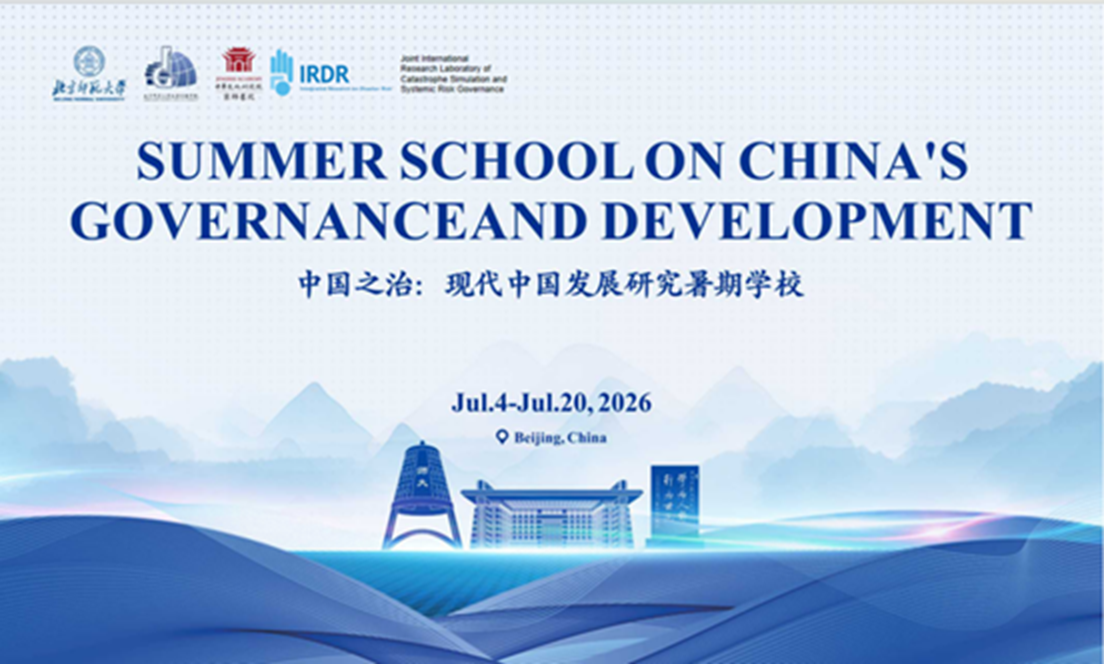
The 2026 Summer School on "China's Governance and Development," jointly organised by Beijing Normal University (BNU) and the Integrated Research on Disaster Risk (IRDR) programme, officially concluded on 20 July 2026. The intensive 17-day programme brought together 43 early-career researchers and graduate students from 25 countries across Africa, Asia, Europe, and the Americas, fostering cross-cultural academic exchange on governance and sustainable development.
The programme commenced on 4 July with a formal opening ceremony. In her keynote address, Prof. Saini Yang, Executive Director of IRDR, underscored the programme's strategic importance in cultivating a new generation of scholars equipped with a holistic, systems-thinking approach. "Disaster risk and development are inseparable," she noted. "Understanding governance structures and development pathways is essential for building resilience. This summer school exemplifies IRDR’s commitment to fostering interdisciplinary talent and global collaboration."
Programme Highlights: Bridging Theory and Practice
The curriculum was meticulously designed to blend theoretical rigor with practical application, featuring a dynamic mix of academic lectures, immersive field visits, collaborative group discussions, and research presentations. Distinguished faculty members from BNU and its international partner institutions delivered thematic lectures covering a broad spectrum of topics, including global development paradigms, disaster risk reduction (DRR) policies and practices, cultural heritage governance, grassroots social administration, ethnic policies, and advanced research methodologies.
Spotlight on IRDR: Engaging the Next Generation
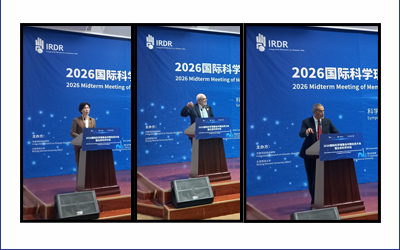
A pivotal moment of the programme occurred on 6 July during a dedicated IRDR session held at the Donghu International Center in Wangjing, Beijing—the headquarters for a cluster of international science and technology organisations, including IRDR.
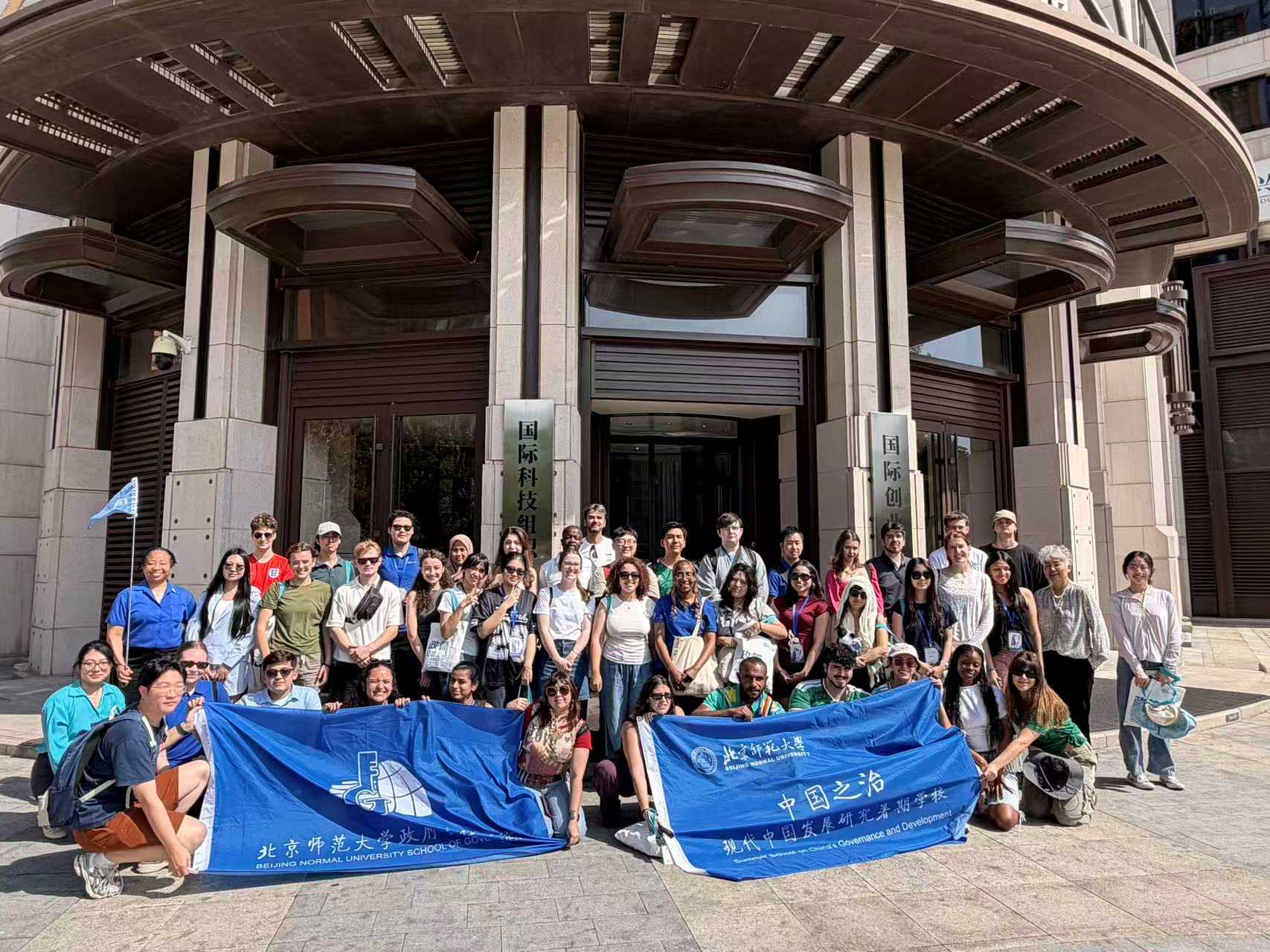
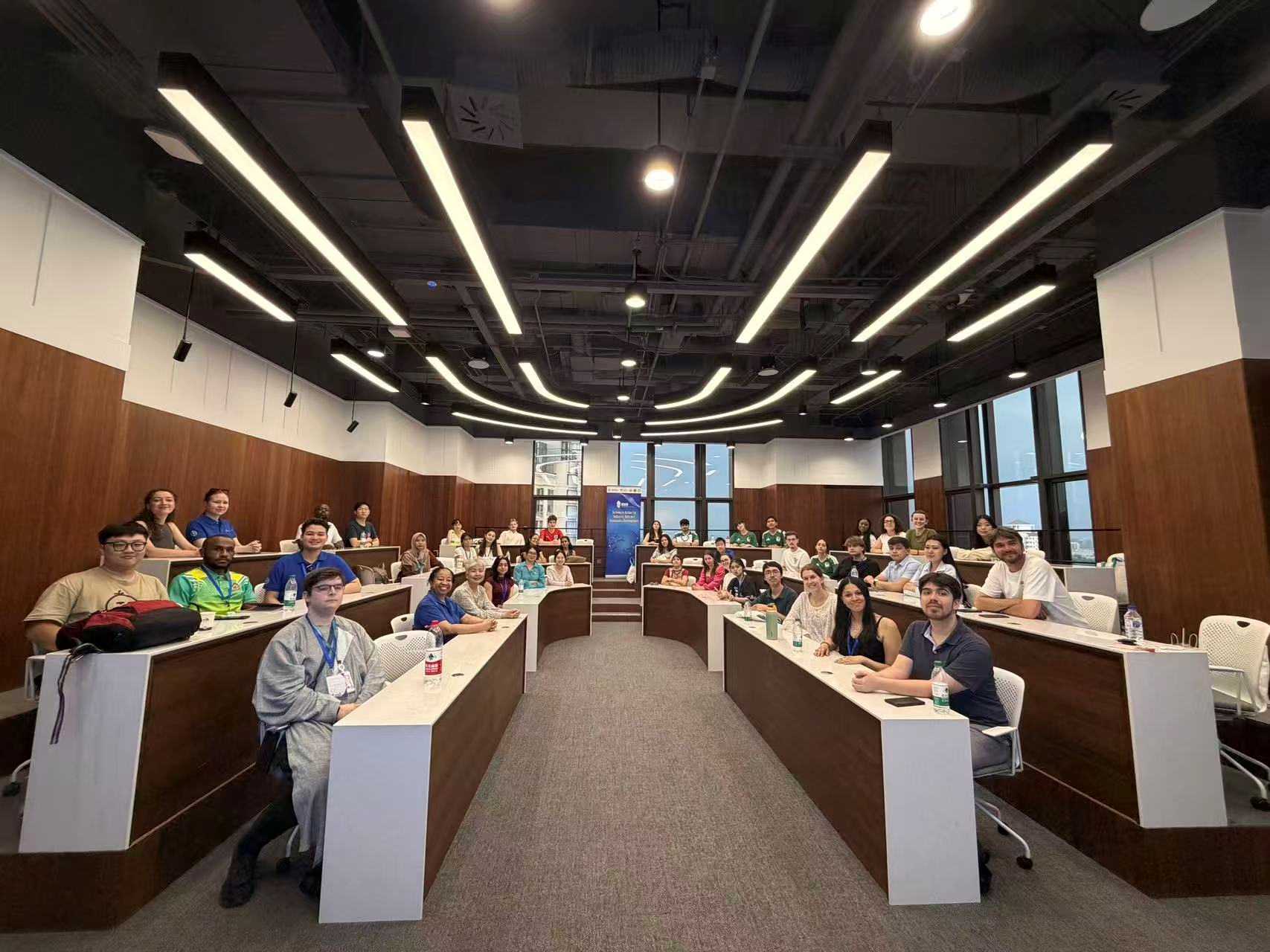
During this session, participants gained valuable insights into the global DRR landscape. Ms. Kerry-Ann Morris, IRDR's Science and Communication Officer, delivered a comprehensive presentation on the IRDR programme, with a special focus on the IRDR Young Scientists Programme. She highlighted the opportunities available for emerging researchers to contribute to cutting-edge DRR research and build international networks.
Following this, Ms. Fang Lian, IRDR's Science Officer, presented on "China's Experience in Disaster Risk Management." Her presentation provided participants with a detailed overview of China's evolving disaster risk landscape and challengesstrategies, institutional frameworks, and national approaches to disaster prevention, preparedness, and response, offering a unique case study in national resilience-building.
Experiential Learning and Research Development
The programme’s emphasis on experiential learning was a key differentiator. Participants engaged in field visits to community governance centers and the Beijing Government Service Center, observing urban administration and public service delivery firsthand. Excursions to the Xiong'an New Area and the Tongzhou Sub-Center offered invaluable exposure to China's forward-thinking urban planning and sustainable development models.
The academic journey culminated on 19 July, when participants presented their research proposals to a faculty panel. The session provided a constructive forum for receiving targeted feedback on research design and analytical approaches, further honing the scholars' investigative skills. The collaborative environment fostered throughout the 17 days facilitated the formation of lasting professional networks among the diverse cohort of young scholars.
A Shared Vision for the Future
The 2026 summer school stands as a testament to the shared commitment of IRDR and BNU to advancing knowledge at the intersection of governance, systemic risk, and sustainable development. As IRDR continues to expand its interdisciplinary research and capacity-building activities, future initiatives will further integrate disaster risk reduction perspectives into trans-disciplinary training and academic exchange programmes.
Held from 4-20 July 2026, this fully funded programme provided international students and young scholars with an immersive academic and field-based experience to explore China's policy design, urban transformation, and its evolving global role.